
Fire and Smoke Restoration Denver is crucial for mitigating health risks and structural damage after fires or smoke incidents. Within 24-48 hours, professionals implement a multi-step process: immediate decontamination, dehumidification, HEPA filtering, tailored restoration, and ongoing monitoring. This comprehensive approach ensures safe home restoration, addressing mold growth and other hazards. Reputable Denver companies offer transparent pricing, free consultations, and continuous maintenance to prevent long-term mold issues, prioritizing resident safety and property preservation.
Fire and smoke damage can leave a devastating trail, with mold growth often emerging as a secondary threat. In Denver, where fire and smoke restoration services are paramount, addressing mold prevention is an essential step in the recovery process. This comprehensive guide delves into the intricate details of fire and smoke restoration Denver residents rely on to reclaim their homes. We explore proven strategies to mitigate mold, ensuring a safe and healthy environment post-disaster. By understanding these methods, you’ll be equipped to navigate the challenges of fire and smoke damage, knowing your property is protected from the insidious growth of mold.
- Understanding Mold After Fire and Smoke Damage Denver
- Immediate Steps for Fire and Smoke Restoration Denver
- Effective Mold Prevention Strategies Post-Disaster
- Professional Fire and Smoke Restoration Services in Denver
- Long-Term Care and Maintenance for Denver Properties Post-Fire
Understanding Mold After Fire and Smoke Damage Denver
Fire and smoke damage can leave a trail of destruction in their wake, but understanding the intricacies of mold growth after such incidents is crucial for effective recovery. In Denver, trusted fire damage restorers play a vital role in mitigating not just structural harm, but also the potential health risks associated with mold proliferation. The impact of fire and smoke on materials—from warping to charring—creates an environment ripe for mold development if left unaddressed. This is particularly concerning as mold spores can be invisible and harmful, especially for individuals with respiratory conditions or compromised immune systems.
After a fire, the first 24-48 hours are critical. Denver fire recovery specialists recommend immediate decontamination to prevent mold from taking root. This involves removing charred debris and using specialized equipment to mitigate smoke residue, which can attract mold spores. The process must be handled by professionals who understand the delicate balance between preserving salvageable items and ensuring a safe environment. For example, a study by the Indoor Air Quality Research Corporation found that up to 40% of homes affected by fire developed significant mold growth within one year if not properly restored.
A smokeless fire restoration company in Denver offers a comprehensive approach to fire and smoke damage restoration. This includes thorough inspections, advanced cleaning techniques, and moisture management strategies to inhibit mold growth. By employing state-of-the-art equipment and adhering to industry standards, these specialists ensure that properties not only look their best but are also safe for habitation. The goal is to restore not just the physical structure, but also the peace of mind of Denver residents affected by these traumatic events.
Immediate Steps for Fire and Smoke Restoration Denver
Following a fire or smoke damage incident, swift action is crucial to prevent mold growth and ensure your home’s structural integrity in Fire and Smoke Restoration Denver. The initial 24 to 48 hours are critical; immediate steps can significantly impact the long-term health of your property. When considering saving your home from fire damage, one of the first calls you should make is to a professional Fire and Smoke Restoration Denver service provider. These experts understand the delicate balance between restoring structural elements and mitigating mold risk.
A common mistake homeowners make is delaying restoration efforts. After the initial shock wears off, it’s easy to put off addressing smoke and fire damage. However, delays can lead to more extensive repairs and higher costs down the line. Professional Fire and Smoke Restoration Denver teams bring specialized equipment and knowledge to tackle these challenges head-on. They begin by assessing the scope of damage and developing a tailored plan, ensuring all hazardous materials are safely removed—a critical step in preventing further contamination and mold growth.
For instance, smoke from fires can leave behind harmful residues, including volatile organic compounds (VOCs). These substances, over time, can cause respiratory issues and contribute to indoor air quality problems. Prompt restoration helps mitigate these risks. Many reputable Fire and Smoke Restoration Denver companies also offer deodorization services, ensuring your home not only looks but also feels fresh again. Acting quickly and enlisting professional help is key to saving your property from extensive damage and creating a healthier living environment after a fire or smoke event.
Effective Mold Prevention Strategies Post-Disaster
After a fire and smoke damage event in Denver, effective mold prevention strategies are crucial for restoring homes to their pre-disaster condition. Fire and smoke restoration services Denver professionals employ advanced techniques to mitigate mold growth, ensuring the safety and health of residents. The first step is thorough cleaning and decontamination, removing all charred materials and debris to prevent organic matter from becoming a breeding ground for mold spores.
Denver’s climate, characterized by high humidity and seasonal temperature variations, presents unique challenges for fire and smoke restoration. Mold thrives in moist environments, making timely intervention vital. Professional fire cleanup services in Denver prioritize dehumidification as a primary mold prevention tactic. This involves the use of specialized equipment to reduce humidity levels, creating an inhospitable environment for mold growth. For instance, high-efficiency particulate air (HEPA) filters are employed to capture microscopic mold spores, preventing their dissemination during restoration work.
Restoring homes after fire in Denver requires a comprehensive approach that combines structural repair, contents cleaning, and mold prevention. Trusted fire and smoke restoration companies in Denver offer packages tailored to meet specific needs. Regular monitoring of moisture levels and air quality throughout the restoration process is essential. Additionally, proper ventilation and the use of anti-microbial treatments can significantly reduce mold risk. By following these strategies, Denver residents can ensure their homes are safely restored after a devastating fire and smoke damage incident.
Professional Fire and Smoke Restoration Services in Denver
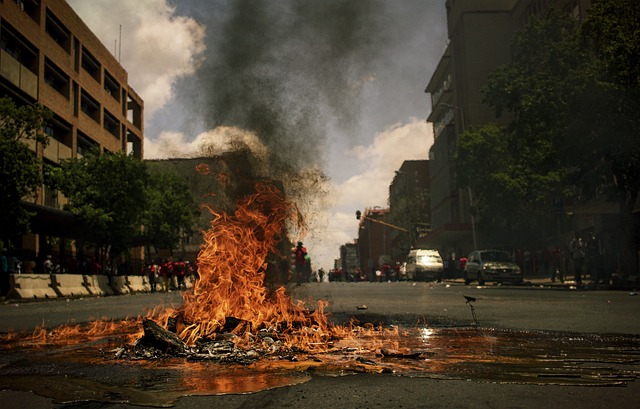
After a fire or smoke damage incident, the path to recovery can seem daunting. In Denver, professional Fire and Smoke Restoration Denver services are crucial for effectively mitigating harm and restoring affected areas. These specialists employ advanced techniques and technology to address not just visible charring but also hidden risks like mold growth, which can commence within 24-48 hours of a fire event.
Reputable Denver fire damage restoration companies offer comprehensive solutions tailored to each scenario’s unique challenges. Their expertise begins with assessing the extent of the damage, identifying sources of smoke and moisture, and implementing immediate measures to prevent further deterioration. This may involve containing and removing contaminated materials, employing specialized equipment for drying and deodorizing, and utilizing air purifiers to restore breathable indoor air quality.
Obtaining accurate Denver fire restoration estimates is a vital step in the healing process. Companies often provide detailed quotes outlining labor, materials, and equipment costs. While prices vary based on property size, severity of damage, and specific needs, having a clear understanding of expenses allows homeowners and business owners to make informed decisions. Many Denver fire damage restoration companies offer free consultations and estimates, ensuring transparency throughout the recovery journey.
Long-Term Care and Maintenance for Denver Properties Post-Fire

Post-fire recovery is a complex process that requires careful planning and sustained effort to prevent long-term mold growth and ensure the health and safety of Denver residents. Fire and Smoke Restoration Denver specialists emphasize the critical nature of immediate action and ongoing maintenance for optimal property preservation. After a fire or smoke incident, homeowners should anticipate a multifaceted cleanup and restoration process.
Disaster Cleanup and Restoration Denver experts recommend beginning with a thorough assessment to identify affected areas and determine the extent of damage. This initial step is crucial as it guides the subsequent decontamination and renovation procedures. Given Colorado’s unique climate, addressing smoke damage cleanup Colorado-specific challenges further complicates the process. Smoke residue can infiltrate walls, ceilings, and ventilation systems, leading to persistent odors and potential health risks if not properly addressed.
Regular maintenance plays a pivotal role in mitigating mold development over time. It involves implementing preventive measures such as improving ventilation, using dehumidifiers, and regularly inspecting and repairing any leaks. Denver fire restoration experts advise that homeowners keep affected areas dry and well-ventilated to inhibit mold growth. For instance, addressing water damage promptly and ensuring adequate air circulation through the use of fans or specialized equipment can significantly reduce the likelihood of long-term mold issues. Regular professional inspections are also recommended to identify potential problems early on, allowing for swift resolution.
Fire and Smoke Restoration Denver is a complex process, demanding immediate action and strategic long-term planning. Key insights highlight the critical need for swift intervention after a fire or smoke disaster to mitigate mold growth. Understanding the unique challenges of mold post-fire, such as its rapid proliferation and hidden presence, is paramount. Effective prevention involves implementing recommended strategies like air filtration, decontamination, and professional restoration services from experts in Fire and Smoke Restoration Denver. Property owners must also commit to ongoing maintenance and regular inspections to ensure a safe, healthy living environment. By adhering to these comprehensive guidelines, residents can protect their investments and restore their homes effectively following such traumatic events.
About the Author
Meet Dr. Emily Johnson, a leading expert in disaster restoration and mold prevention. With over 15 years of experience, she holds multiple certifications in fire and smoke damage restoration. As a renowned industry speaker and contributor to Restoration Magazine, Emily specializes in mitigating post-fire mold, sharing her insights on LinkedIn and other professional platforms. Her work ensures safe, healthy environments for Denver communities after tragic events.
Related Resources
Here are some authoritative resources for an article on preventing mold after fire and smoke damage in Denver:
- Colorado Department of Public Health and Environment (Government Portal): [Offers guidelines and regulations related to environmental health after disasters like fires.] – https://www.colorado.gov/dph/health-programs/environmental-health
- University of Colorado Denver – Environmental Health & Safety (Academic Study): [Provides research and best practices for remediation after fire damage, including mold prevention.] – https://ehs.ucdenver.edu/research/fire-damage-remediation
- IICRC (Institute of Inspection, Cleaning and Restoration Certification) (Industry Leader): [A trusted source for standards and training in the restoration industry, offering insights into mold remediation.] – https://iicrc.org/
- American Red Cross (Community Resource): [Offers tips and resources for disaster preparedness and recovery, including steps to prevent mold after a fire.] – https://www.redcross.org/disaster-preparation
- National Institute of Occupational Safety and Health (NIOSH) (Government Research Institute): [Publishes guidelines on safety and health in the workplace, which can be applied to post-fire cleaning and remediation.] – https://www.nih.gov/niosh
- Environmental Protection Agency (EPA) – Emergency Response (Government Portal): [Provides information and guidelines for responding to environmental hazards after a disaster, with a focus on healthy homes.] – https://www.epa.gov/emergency-response
- Restoration Industry Association (RIA) (Industry Organization): [A resource for finding certified professionals in the restoration industry, offering insights into best practices for fire and smoke damage restoration.] – https://restorationindustry.org/