

Fire and Smoke Restoration Denver requires immediate expert intervention within 24-48 hours to mitigate health risks from smoke particles infiltrating hidden areas. The process involves structured restoration techniques for diverse building materials, advanced equipment for soot removal, air purification, mold remediation, and adherence to environmental safety standards. Homeowners should assess insurance coverage, engage certified professionals, and implement preventive measures to reduce future damage risk.
Fire and smoke damage can devastate homes and businesses, making prompt restoration crucial for mitigating losses and facilitating healing. In Denver, where rapid climate changes and unpredictable weather events are increasingly common, accurate and swift Fire and Smoke Restoration Denver services are essential for communities facing these challenges. This article delves into the complexities of fire damage assessment, offering insights into how professionals approach these scenarios to provide timely, effective solutions tailored to each unique situation. By understanding the process, property owners can effectively navigate the aftermath of a fire, ensuring their safety and that of their loved ones, while minimizing financial burden.
- Understanding Fire Damage in Denver: Immediate Steps After a Fire
- Assessing Smoke and Soot: What Needs Restoration in Denver
- Fire Restoration Process: Techniques for Effective Recovery in Denver
- Rebuilding Safely: Insurance, Expertise, and Long-Term Solutions for Denver Homes
Understanding Fire Damage in Denver: Immediate Steps After a Fire

Fire and smoke damage can leave a devastating impact on any Denver property, requiring swift and expert intervention for effective recovery. Understanding the immediate steps after a fire is crucial in minimizing losses and ensuring a safe, healthy environment. The first 24-48 hours post-fire are critical; prompt action by homeowners and the assistance of professional Fire and Smoke Restoration Denver experts can significantly aid in the restoration process.
Upon experiencing a fire, safety should be the primary concern. Evacuate everyone from the premises immediately and call emergency services. Once the flames are under control, assess the damage but avoid entering heavily smoked areas without proper protective gear as smoke can contain toxic gases. Documenting the extent of the fire damage with photos or videos is essential for insurance claims. Simultaneously, prevent further damage by shutting off utilities like gas and electricity if safe to do so.
In Denver, where homes often feature diverse building materials, a thorough understanding of fire-damaged property restoration is vital. Different materials have varying burn rates and may require specialized cleaning techniques. For instance, porous materials like drywall or wood can absorb smoke and soot, necessitating biohazard cleanup by Denver specialists to prevent long-term health risks associated with mold growth. Fire-restored properties often need decontaminating to eliminate hazardous remnants left behind.
Denver fire recovery specialists emphasize the importance of a structured approach. Begin by removing salvageable items, then thoroughly clean and disinfect the space. Professional equipment can aid in steam cleaning carpets and upholstery while high-efficiency particulate air (HEPA) filters help clear indoor air of particulates. Following these initial steps, experts can assess structural integrity and begin restoration work, ensuring the fire-damaged property meets safety standards before reoccupation.
Assessing Smoke and Soot: What Needs Restoration in Denver
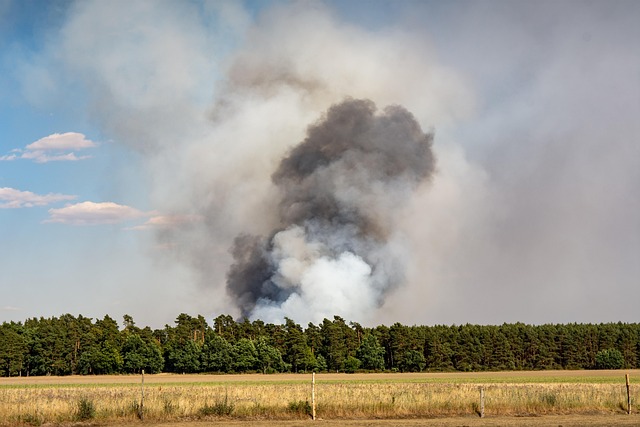
Assessing Smoke and Soot Damage: A Critical Step in Fire and Smoke Restoration Denver
Smoke and soot damage from a fire can leave behind significant and often invisible impacts on a property. Understanding what needs restoration in Denver following a fire is crucial for effective fire and smoke restoration. The process begins with a thorough assessment to identify the extent of the damage, which includes not just visible charred surfaces but also hidden areas affected by smoke. For example, smoke particles can infiltrate wall cavities, leaving behind odours and potential health risks that require specialized equipment and expertise to mitigate.
When comparing fire restoration Denver services, it’s essential to consider professionals who employ advanced technology for soot removal and air purification. Denver smoke cleanup services should involve a systematic approach, beginning with the removal of loose debris and charred materials. After securing the safety of the structure, experts will assess the scope of restoration needed, which may include structural cleaning, deodorization, and even replacement of affected contents. The latter involves evaluating items like furniture, flooring, and textiles that can be restored or need to be replaced due to soot infiltration.
Fire and smoke restoration Denver professionals are equipped with the knowledge and tools to tackle these challenges effectively. They understand that prompt action is vital to minimize further damage and ensure a faster recovery for property owners. For instance, immediate cleanup and decontamination within 24-48 hours after a fire can prevent long-term health issues related to smoke residue. Denver fire restoration experts also emphasize the importance of documenting the entire process, providing clear communication with clients, and adhering to industry standards to ensure optimal results. This comprehensive approach ensures that properties not only look their best but are also safe for occupation, leaving behind nothing but a fresh start after a fire incident.
Fire Restoration Process: Techniques for Effective Recovery in Denver

The Fire and Smoke Restoration Denver process involves a meticulous series of steps designed to effectively recover damaged properties from fire disasters. The initial assessment by experts in Disaster Cleanup and Restoration Denver is crucial, identifying the extent of damage that includes both visible and hidden impacts like mold growth due to water usage during cleanup. Unlike superficial repairs, true fire restoration involves a multi-phased approach focusing on structural integrity, air quality, and aesthetic restoration.
Professionals utilize advanced techniques tailored to different fire scenarios, from small kitchen fires to large-scale blazes. For instance, in severe cases, specialized equipment is employed to remove charred remains and decontaminate areas affected by smoke and soot. This process often includes the application of industrial vacuums to suck up particulate matter and the use of moisture removal systems to mitigate water damage, a common byproduct of fire suppression efforts. After stabilizing the structure, mold removal Denver becomes a critical focus to prevent further health risks and property deterioration.
The latter phase involves meticulous cleaning, decontamination, and removal of mold and associated spores. This step is particularly important in Denver’s climate where high humidity can accelerate mold growth in damp areas left untouched by fire. Restoration experts use EPA-approved products and techniques to ensure safe and thorough mold remediation, adhering to industry standards and local regulations. Ultimately, successful fire restoration goes beyond structural repair; it involves restoring the affected space to its pre-fire condition, ensuring air quality, and creating a safe environment for occupants.
Rebuilding Safely: Insurance, Expertise, and Long-Term Solutions for Denver Homes
Following a fire disaster, the road to rebuilding requires careful navigation. Homeowners in Denver must consider both immediate relief and long-term solutions for safe and effective fire and smoke restoration Denver. The process begins with understanding insurance coverage, engaging professionals with specialized expertise, and implementing strategies that prevent future damage.
Insurance plays a crucial role in mitigating financial burdens during recovery. Policies vary widely, so it’s essential to review your coverage carefully, paying special attention to deductibles and exclusions related to fire damage. Many standard policies exclude certain types of damage, such as smoke residue and odor, requiring additional riders or separate coverage for comprehensive restoration after fire disaster Denver. Consulting with insurance adjusters and agents familiar with local regulations and common challenges can ensure you receive adequate compensation for necessary repairs and denver smoke cleanup services.
Expertise is paramount in successful long-term fire restoration Denver. Engaging professionals certified in smoke and fire damage remediation ensures proper techniques and equipment are deployed throughout the process. These experts understand the intricate steps involved in mitigating health risks posed by smoke, removing contaminated materials, and restoring affected structures to their pre-loss condition. For instance, specialized equipment can detect hidden smoke damage behind walls or under floors, ensuring all hazardous elements are addressed. Reputable companies also employ technicians trained in environmental safety, adhering to industry standards for a comprehensive professional fire restoration Denver approach.
Beyond immediate repairs, homeowners should consider preventive measures to reduce the risk of future damage. This includes enhancing home safety features like smoke alarms and sprinklers systems, as well as improving ventilation to mitigate moisture buildup commonly associated with water used during initial firefighting efforts. Regular inspections by professionals can identify vulnerabilities and suggest solutions before they become problematic, fostering a safer, more resilient Denver home environment.
After delving into the intricate world of Fire and Smoke Restoration Denver, several key insights emerge. Understanding fire damage in Denver involves recognizing the immediate impact on homes and the unique challenges posed by smoke and soot. The article guides readers through assessing damage, emphasizing the need for professional expertise to determine restoration requirements accurately.
The restorative process requires a meticulous approach, with techniques tailored to Denver’s environment. Rebuilding safely is paramount, underscoring the importance of insurance knowledge, engaging experts, and implementing long-term solutions. This comprehensive guide equips readers with practical next steps to navigate the aftermath of fire damage, ensuring their homes in Denver are restored efficiently and effectively.