
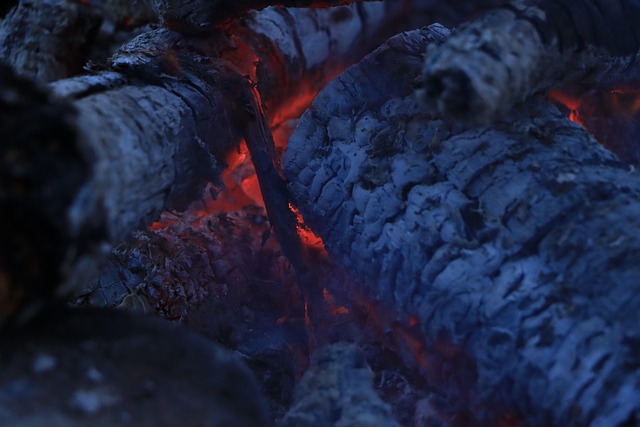
Fire and Smoke Restoration Denver is crucial for minimizing commercial property losses after fires. Prompt professional intervention includes assessment, advanced drying, cleaning, and decontamination to prevent secondary hazards. A multi-step process ensures structural repairs, health safety, and compliance with local regulations, reducing downtime by up to 50%. Expert services prioritize employee/customer safety, communication, and restorative quality amidst adversity.
In the Denver Metro Area, businesses face a significant challenge: fire and smoke damage. Whether it’s a kitchen fire or a more extensive blaze, the aftermath can leave buildings uninhabitable and operations halted. Fire and Smoke Restoration Denver is not just about repairing physical structures; it’s about revitalizing businesses and ensuring they can bounce back stronger. This authoritative piece delves into the intricate process of fire restoration, highlighting best practices and the expertise needed to restore properties to their pre-loss condition, empowering business owners with valuable insights for seamless recovery.
- Understanding Fire Damage in Denver Businesses
- The Comprehensive Guide to Smoke & Fire Restoration
- Reconstructing Your Denver Business After a Fire
Understanding Fire Damage in Denver Businesses

Fire damage in commercial properties across the Denver Metro Area can range from minor to severe, with smoke and soot causing significant secondary damage. Understanding the scope of fire and smoke restoration Denver businesses require is crucial for effective recovery. According to a recent study by the National Fire Protection Association (NFPA), structural fires in commercial buildings account for substantial losses annually, emphasizing the need for prompt and professional intervention.
The initial step in saving your home from fire damage, regardless of whether it’s a small kitchen blaze or a large-scale industrial incident, is to call a specialized Fire and Smoke Restoration Denver service provider. These experts not only assess the extent of the loss but also begin mitigating further damage. Water damage restoration Denver is another critical aspect, as water is often used to suppress fires, leading to soaking carpets, drywall, and other structures. Commercial Restoration Denver professionals employ advanced drying techniques to prevent mold growth and ensure a faster recovery.
Beyond structural repairs, Fire and Smoke Restoration Denver involves meticulous cleaning and decontamination. Soot and smoke contain harmful particles that can persist long after the flames are extinguished. Professional restoration companies use specialized equipment and products to remove these residues, ensuring a safer environment for employees and customers upon re-occupancy. For instance, businesses in areas prone to wildfires should consider proactive measures like regular fire and water damage restoration Denver services to safeguard their assets and minimize downtime.
Effective Fire and Smoke Restoration Denver goes beyond structural repairs. It involves understanding the unique needs of each business, from historical buildings requiring meticulous preservation to modern facilities with complex technological infrastructure. By combining advanced technology, experienced personnel, and a deep knowledge of local fire safety regulations, commercial restoration experts facilitate a smoother transition back to normal operations, helping businesses save time and resources in the long run.
The Comprehensive Guide to Smoke & Fire Restoration
Fire and smoke damage can devastate businesses in the Denver Metro Area—but thorough fire and smoke restoration can bring them back to life. This comprehensive guide provides an authoritative perspective on navigating the complex process of smoke and fire restoration, empowering business owners with valuable insights and actionable strategies.
Smoke damage cleanup Colorado isn’t merely a cosmetic endeavor; it’s a critical step in mitigating health risks and preventing further deterioration. The first 24-48 hours are crucial: professional fire and water damage restoration Denver experts recommend evacuating the premises immediately upon detection of smoke or fire, then documenting damage with photos for insurance purposes. Rapid response is key to minimizing smoke damage; prompt action can prevent the spread of particulate matter and volatile organic compounds (VOCs) that can cause respiratory issues and long-term health complications.
Fire & smoke damage restoration CO requires a multi-step approach. Initial assessment identifies the extent of damage, guiding specialized teams in implementing tailored restoration techniques. This may involve contents cleaning to remove soot and odors, structural decontamination to address contaminated surfaces, and advanced ventilation systems to expedite air quality recovery. For instance, a 2018 study by the National Fire Protection Association (NFPA) revealed that professional fire restoration services reduced property losses by up to 50% and shortened business downtime by nearly two weeks on average compared to DIY attempts.
Effective fire and smoke restoration Denver businesses rely on combines cutting-edge technology, specialized expertise, and meticulous attention to detail. Trusting a reputable, locally-based company with proven experience ensures compliance with local building codes and industry standards. By following best practices for smoke damage cleanup Colorado, businesses can not only restore their physical spaces but also revitalize their operations, ensuring resilience against future incidents.
Reconstructing Your Denver Business After a Fire
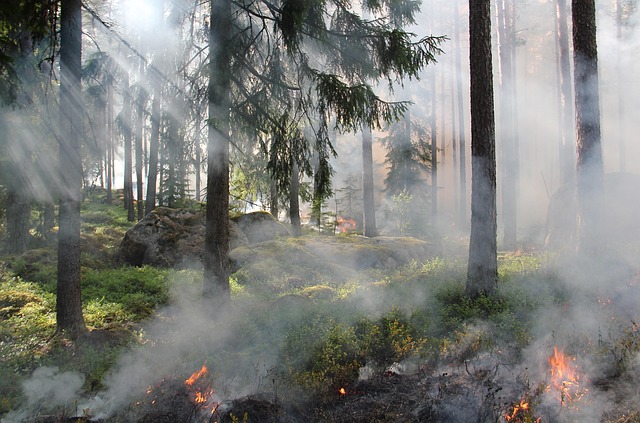
Reconstructing Your Denver Business After a Fire requires meticulous care and expert guidance to ensure a safe, secure, and functional workspace. In the aftermath of a fire, the first steps are crucial—immediately contact professionals specializing in fire and smoke restoration Denver. These experts not only assess the damage but also begin the delicate process of cleaning and restoring your property. Their knowledge of fire restoration Denver encompasses both structural repair and the removal of hazardous smoke residues.
A recent study by the National Fire Protection Association (NFPA) revealed that businesses often face significant challenges in reopening after a fire, with 30% taking over six months to recover. However, prompt action can significantly mitigate these delays. Expert fire damage cleaning Denver services can hasten your return to business as usual. These professionals employ advanced equipment and techniques—from high-pressure washing to specialized chemicals—to thoroughly clean affected areas, eliminating not just visible soot but also microscopic particulates that can cause long-term health issues.
During reconstruction, prioritize the safety of your employees and customers. Ensure that all restoration work complies with local building codes and fire safety regulations. Engage in open communication with your restoration team to understand their methods and timelines. Remember, effective fire restoration Denver is not just about restoring your physical space; it’s about regaining control, peace of mind, and the trust of your community—a testament to your business’s resilience and commitment to quality in the face of adversity.
Fire and Smoke Restoration Denver is a critical service for businesses seeking to reclaim their premises after a devastating fire. By understanding the unique challenges of fire damage in the Denver Metro Area, business owners can effectively navigate the restoration process. This comprehensive guide has highlighted key steps from initial assessment to reconstruction, emphasizing the importance of swift action and professional expertise. The article equips readers with valuable insights, demonstrating that with the right approach, businesses can not only recover but also emerge stronger. Through prioritizing Fire and Smoke Restoration Denver, companies can ensure a more seamless return to operations, minimizing disruption and maximizing property preservation.